The evolution of gambling through the ages a deep dive into its history
The evolution of gambling through the ages a deep dive into its history
The Origins of Gambling
Gambling has roots that can be traced back to ancient civilizations, illustrating its deep-seated presence in human culture. Archaeological discoveries reveal that the earliest known gambling artifacts date back to around 3000 BC in China, where rudimentary dice made from bones were used. These early forms of gaming were likely both a form of entertainment and a method to engage in risk-taking behaviors that society deemed acceptable. The allure of chance has always attracted people, bridging social gaps and providing a communal experience. For those curious about online options, https://lolajack1.uk/ offers a glimpse into modern gambling.

In ancient Mesopotamia, around 2500 BC, people participated in gambling activities that involved betting on the outcomes of various games and even events like chariot races. The invention of the six-sided die around this time marked a significant milestone in gambling’s evolution. Such innovations indicate that gambling was not merely a pastime but an integral part of social gatherings and festivities. People were willing to stake their possessions in the hope of winning more, thus laying the groundwork for betting as a popular human activity.
As civilizations advanced, gambling found its way into various cultures, including those of the Egyptians and Greeks. The Romans added to this evolution by formalizing gambling as part of public entertainment, featuring games of chance during festivals. These early adaptations of gambling paved the way for the more structured systems that would emerge in later periods, highlighting the universal appeal of risk and reward across cultures and ages.
The Medieval and Renaissance Periods
The Middle Ages saw a transformation in gambling practices, primarily influenced by societal changes and the spread of card games. By the 14th century, playing cards were introduced to Europe, offering a new, exciting way for people to gamble. These games quickly gained popularity among the nobility and common folk alike, leading to the establishment of informal gambling houses. During this time, gambling was often associated with vice, prompting various authorities to impose regulations and restrictions to manage the activity.
The Renaissance further propelled gambling into the limelight, marked by the development of more complex games and betting systems. The emergence of games such as baccarat and chemin de fer captivated players and established the foundation for modern casino games. Gambling became a fashionable activity, particularly in Italy and France, where extravagant gambling houses thrived. This era witnessed a greater acceptance of gambling as a social norm, although it still attracted scrutiny from moralists and religious figures.
As gambling evolved during this period, the concept of odds and probability began to take shape. Mathematics started playing a crucial role, leading to more informed betting practices. The interaction of mathematics with gambling laid the groundwork for future advancements, enabling a more scientific approach to understanding chance and risk. This period set the stage for the development of legal casinos and structured gambling systems in the centuries to follow.
The Birth of Casinos
The 17th and 18th centuries marked the birth of the modern casino, with establishments emerging as dedicated venues for gambling. One of the most notable examples is the Casino di Venezia, which opened in 1638 and is considered the first official casino in history. These venues offered a variety of games, including dice, card games, and eventually, roulette. The proliferation of casinos across Europe signaled a shift towards a more regulated and formalized gambling landscape, attracting a diverse clientele.
As gambling gained popularity, governments began to recognize its potential for generating revenue. The rise of state-run lotteries in the 18th century exemplified this trend, as they provided funds for public projects while allowing citizens the chance to win substantial prizes. This dual benefit of financial gain and entertainment contributed to the growing acceptance of gambling as a legitimate activity. Such developments laid the foundation for the modern gaming industry we see today.
By the end of the 19th century, gambling had solidified its place in society, particularly in cities like Monte Carlo and Las Vegas. These locations became synonymous with luxury and leisure, attracting millions of visitors eager to try their luck. The establishment of these iconic casinos marked a significant milestone in the evolution of gambling, as they provided a lavish environment that combined entertainment, social interaction, and the thrill of chance.
The 20th Century and Regulation
The 20th century brought significant changes to gambling, marked by the introduction of more stringent regulations and the expansion of the gaming industry. The Great Depression led many states in the United States to legalize gambling as a means of economic recovery. This shift resulted in the establishment of new casinos, particularly in Nevada, where Las Vegas emerged as a gambling haven. The glitz and glamour of Las Vegas made it an icon of American entertainment, forever altering the perception of gambling.
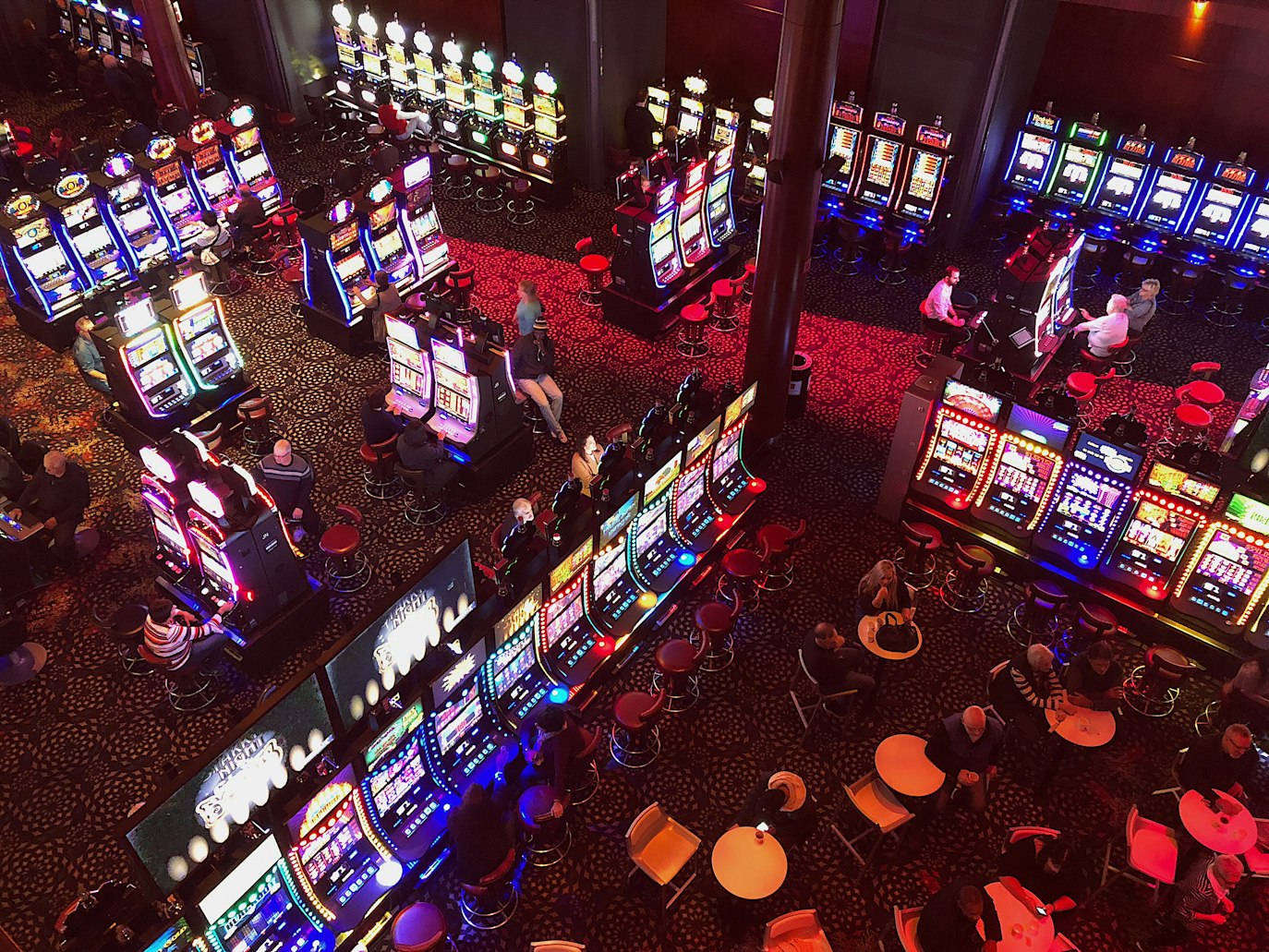
During this period, advancements in technology began to revolutionize the gambling experience. The introduction of slot machines in the early 1900s changed the landscape, making gambling accessible to a broader audience. As more people were drawn to the simplicity of these machines, casinos began to flourish. The later part of the century saw the rise of video slots, offering an engaging and immersive experience, further propelling the popularity of gambling.
Alongside these advancements, the industry faced increasing scrutiny and calls for regulation. Governments around the world began to implement laws aimed at protecting consumers and ensuring fair play. This regulatory environment helped establish the credibility of gambling establishments, leading to a boom in both land-based and online gaming in the late 20th century. The evolution of gambling during this time reflects a balancing act between entertainment, regulation, and technological innovation.
The Rise of Online Gambling
The turn of the millennium heralded a new era in gambling with the advent of online platforms. The establishment of the first online casino in the mid-1990s marked a seismic shift, providing players with the convenience of gambling from home. This technological advancement significantly broadened the audience, enabling people from all corners of the globe to engage in gambling activities. Online casinos offered a diverse range of games, attracting both seasoned gamblers and newcomers seeking excitement.
As the internet continued to evolve, so too did the online gambling industry. The introduction of mobile gaming further revolutionized the landscape, allowing players to enjoy their favorite games anytime, anywhere. This convenience transformed the gambling experience, making it more accessible than ever before. The combination of innovative technology and user-friendly interfaces played a crucial role in attracting a younger demographic to the world of gambling.
Despite the benefits, the rise of online gambling also brought challenges, such as concerns over regulation, fraud, and addiction. As governments adapted to this new environment, they began implementing measures to ensure player safety and fairness. This period marked a crucial turning point in the evolution of gambling, as online platforms grew to rival traditional casinos, shaping the future of the gaming industry.
Join the Gaming Experience at LolaJack Casino
Today, the gambling landscape continues to evolve, with platforms like LolaJack Casino leading the way in providing an exciting and secure online gaming experience. Offering over 4,000 games, including slots, live casino options, and lucrative jackpots, LolaJack Casino caters to players aged 18 and over. The site is designed to deliver seamless gameplay, making it easy for users to navigate and enjoy their favorite games.
LolaJack Casino also prioritizes customer satisfaction by providing 24/7 support and a comprehensive VIP Club for loyal players. The generous welcome bonus of 400% up to €15,000, plus 400 free spins, is a testament to their commitment to offering an unforgettable gaming experience. Promotions, challenges, and thrilling tournaments ensure that there’s always something exciting happening, making it a premier destination for gamblers.
As gambling evolves into the future, LolaJack Casino stands at the forefront, combining tradition with innovation. With a user-friendly interface and a wide variety of games, it offers a dynamic platform for both seasoned players and newcomers. Join LolaJack Casino today and embark on your gaming adventure while embracing the rich history of gambling that has evolved over the ages.